Top 10 Benefits of Polypropylene Concrete for Global Buyers?
In the evolving landscape of construction materials, polypropylene concrete has emerged as a game changer. Dr. Emily Harris, a renowned expert in concrete technology, states, "Polypropylene concrete offers unique advantages that can enhance durability and reduce costs." This innovative material is not just a trend; it provides tangible benefits for global buyers seeking sustainable construction solutions.
Polypropylene concrete integrates polypropylene fibers, improving the tensile strength and overall performance of traditional concrete. This enhanced durability is crucial for projects exposed to harsh environmental conditions. Additionally, the lightweight nature of polypropylene concrete makes it easier to transport, which can reduce logistical challenges. Buyers can often find cost savings as maintenance efforts decrease over time.
However, it's essential to recognize the potential drawbacks. Not all engineers are familiar with polypropylene concrete, which may lead to inconsistent application. Some projects might not showcase the full benefits if installation techniques are not followed correctly. Overall, while polypropylene concrete presents promising advantages, careful consideration and evaluation are necessary for effective implementation.
Overview of Polypropylene Concrete and Its Composition
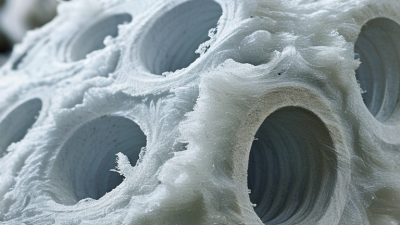
Polypropylene concrete combines traditional concrete with polypropylene fibers. This unique material enhances the performance of concrete in various applications. The fibers improve tensile strength and toughness, offering greater resistance to cracking. In terms of composition, polypropylene fibers are lightweight and flexible, designed to be mixed uniformly into concrete.
Using polypropylene concrete might seem straightforward, but it requires careful consideration. Understanding the right mix design is crucial for optimal performance. If the fiber content is too high, it can lead to workability issues. Aim for a balance that enhances durability without compromising strength.
Consider the environment where the concrete will be used. Certain conditions can affect the performance of polypropylene concrete. For example, exposure to extreme temperatures may impact fiber bonding. A thorough assessment of the intended application can prevent unexpected complications. Be aware that not all projects will benefit equally from using polypropylene fibers. Each project necessitates careful analysis to achieve the desired outcome.
Enhanced Durability and Longevity of Polypropylene Concrete
Polypropylene concrete has gained attention for its enhanced durability. This innovative mix includes polypropylene fibers, which significantly improve concrete’s resilience. Unlike traditional concrete, which can crack under stress, polypropylene concrete mitigates this issue. The fibers distribute stress evenly, providing a robust solution for busy infrastructures.
The longevity of polypropylene concrete can be particularly beneficial for construction in harsh environments. It resists not only physical stresses but also chemical attacks from de-icing salts and other environmental factors. This quality minimizes wear and tear over time, effectively extending the lifespan of structures. However, some projects may require specific testing to determine the optimal mix tailored to local conditions.
While the benefits are appealing, challenges exist. Understanding the right proportions and methods is essential for achieving the desired strength. Improper application can lead to inconsistencies. Therefore, ongoing education and awareness among construction professionals are vital. They must adapt and learn from practical experiences to maximize the effectiveness of polypropylene concrete in various applications.
Cost-Effectiveness and Economic Benefits for Global Buyers
Polypropylene concrete offers remarkable cost-effectiveness for global buyers. The addition of polypropylene fibers enhances durability, reducing long-term maintenance costs. With lower shrinkage, structures built with this material are less prone to cracking. This translates to fewer repairs, saving both time and money.
Another financial advantage is the potential reduction in material usage. Thin and lighter structures can be constructed without compromising strength. This can lead to lower transportation and labor costs. For many projects, these savings can be significant. However, some buyers may initially hesitate due to a lack of familiarity with polypropylene concrete.
It's essential to consider the long-term benefits. While the upfront cost may be higher than traditional options, the overall return on investment can be higher. Buyers must evaluate their specific needs and project details. Some may overlook how environmental factors can further affect their funding plan. The choice should reflect a careful alignment with project goals and budget allowances, ensuring a reliable outcome.
Environmental Impact and Sustainability of Polypropylene Concrete
Polypropylene concrete is gaining attention for its environmental benefits. This innovative material incorporates polypropylene fibers, which enhance concrete’s durability while reducing its carbon footprint. The use of these fibers can decrease the required cement content. Less cement means reduced greenhouse gas emissions during production.
Polypropylene concrete also improves water resistance. This characteristic leads to lower maintenance costs over time. Structures made with this material can endure harsh weather conditions, which makes them last longer. However, care must be taken in the initial mixing process. Balancing fiber content and other components is crucial for optimal performance.
While the advantages are clear, challenges exist. The long-term environmental impact of polypropylene fibers needs further study. Their recyclability is still a topic of discussion. Promoting sustainable practices in construction is vital. Adopting materials like polypropylene concrete is a step, yet it requires ongoing evaluation to ensure we are on the right path.
Applications and Versatility in Various Construction Projects
Polypropylene concrete has gained attention for its versatility in construction projects. This innovative material enhances performance in various applications. Used in road construction, it improves longevity and reduces cracking. Reports show that projects utilizing polypropylene concrete can increase surface durability by up to 50%. This benefit leads to significant cost savings over time.
In addition to roads, polypropylene concrete is effective for industrial flooring. Its resistance to chemicals and physical stress makes it ideal for warehouses and factories. Data indicates that polypropylene-reinforced structures often require less maintenance compared to traditional methods. Nonetheless, some engineers express concerns about its long-term behavior under extreme conditions, warranting further study.
When considering polypropylene concrete, evaluate your project requirements carefully. Understanding local conditions can guide material selection. Remember, while this concrete offers advantages, it may not suit every application. Investigate potential limitations to make informed decisions.