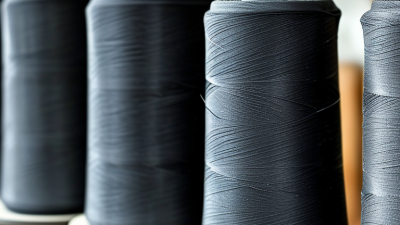

Choosing the best black fiber supplier in 2026 takes more than comparing price lists. A low quote can hide uneven color, weak tensile performance, or delayed shipments. Fiber Black buyers should define the intended use before requesting offers, whether for apparel, geotextiles, filtration, or another application. Small details matter. Ask for the polymer type, denier or filament count, colorfastness data, and acceptable variation between production lots. Request a recent technical data sheet and a sample from a regular production batch, not just a showroom swatch. Test it under conditions your finished product will face.
A reliable supplier can explain its quality checks clearly and show how it handles rejected lots. Look for traceability, inspection records, realistic capacity, and specific lead-time commitments. Certifications can support credibility, but they do not replace product testing or direct questions. Compare total cost, packaging, minimum order quantities, sample fees, and communication across time zones. Ask how the supplier manages color differences between batches; this is where otherwise strong partnerships can wobble. A facility visit or live production review may provide useful evidence. No checklist removes risk. A trial order remains essential. A polished presentation is not proof of long-term consistency. Choose a supplier that welcomes verification, reports limitations honestly, and can address results that miss your specification. This guide focuses on practical criteria for making an informed choice based on evidence, not promises.

“Black fiber” is not one material. It may refer to solution-dyed polyester or nylon, black polypropylene, recycled staple fiber, or carbon fiber reinforcement. These forms differ in chemistry, length, finish, and processing behavior. Keep carbon fiber separate; its stiffness and electrical properties suit different engineering needs. For textiles, specify staple or continuous filament. Also ask whether color is added during polymer production or applied later.
Match the fiber to its job. Outdoor fabrics may need UV and colorfastness performance, while automotive interiors often require abrasion resistance and low lint. Filtration needs depend on pore structure and fiber diameter. No single “black” grade fits every use. A deep shade can look consistent in a sample yet vary across production lots. That detail is easy to overlook.
Set measurable requirements before comparing suppliers. Record denier or diameter, tensile strength, elongation, shade tolerance, and any required heat or chemical resistance. Request samples from more than one production lot, then test them using your actual process. Ask for technical data and traceable batch information. Be realistic: a perfect specification on paper does not guarantee smooth spinning, weaving, or molding. Review the results, adjust the limits, and keep the specification clear.
Black fiber requirements depend on its intended use, so define the application before comparing suppliers. Ask whether the product is optical fiber or another fiber type, then specify relevant needs such as coating, diameter, strength, and operating conditions. A capable supplier should explain how its production process controls those properties. Clear answers matter.
Request current test data and a sample from a regular production batch, not only a specially prepared sample. Check that the measurements match your specifications, and ask how often the supplier tests finished products. For optical fiber, confirm which performance values are measured and how results are documented. Small differences matter. A polished brochure is not proof.
Production capacity deserves a practical check. Ask about typical lead times, minimum order quantities, backup equipment, and how the supplier handles demand spikes. A factory visit or live production review can help clarify whether stated capacity reflects actual output. Technical support should also be specific: look for a responsive contact who can review drawings, explain test results, and investigate defects. Test one batch. No checklist removes every uncertainty, so record agreed specifications and acceptance criteria before placing a large order.
How to Choose the Best Black Fiber Supplier in 2026?
A reliable supplier should provide clear specifications for fiber length, fineness, strength, and color consistency. Ask how blackness is measured and whether results are checked across production batches. A sample may look uniform under showroom lights, yet show streaks in daylight.
Small differences matter.
Testing should match the fiber’s intended use. Tensile tests reveal whether fibers withstand processing, while microscopy can identify uneven shape or visible contamination. For colored fibers, assess shade variation and rubbing or washing fastness where relevant. Request the test method, sample size, date, and laboratory details—not just a pass certificate.
One result is not enough. Compare several batches, and consider independent testing when orders are substantial.
Review certifications carefully. A quality-management certificate can indicate documented processes, but it does not prove every shipment meets your specification. Check that the certificate is current, independently verified, and relevant to the facility supplying the fiber. Ask for batch traceability and written procedures for handling rejected material.
Paperwork can look tidy; real production is less tidy. No checklist removes all risk, and some buyers still overlook how storage affects moisture and color. Visit the facility or request recent production records when possible.
Choosing a black fiber supplier in 2026 means comparing the delivered cost, not just the quoted price. Request a clear breakdown of fiber cost, packaging, freight, and any surcharges. Confirm the specification in writing, including fiber type, color consistency, and tolerance ranges. A small shade difference can stand out across a large production run. Ask for a sample from a normal production lot, not only a polished sales sample. A low quote can still be costly.
Lead times need dates and definitions. Ask when production starts, when goods are ready, and how long transit usually takes. UNCTAD’s Review of Maritime Transport 2024 reports that shipping carries over 80% of world trade by volume. That makes port congestion and route changes relevant even when the supplier’s factory schedule looks reliable. Request recent shipment records and a realistic delay plan. Not just promises.
For logistics and supply reliability, check whether the supplier tracks lots, maintains safety stock, and shares shipment updates before problems escalate. The World Bank’s 2023 Logistics Performance Index assesses factors including tracking and tracing, timeliness, and logistics quality. Use those measures as context, not a guarantee about any one shipment. Compare a supplier’s actual on-time delivery history with your own purchase records. One detail is easy to miss: a supplier may be dependable, but your forecast may still be wrong. Keep a modest buffer for critical orders and review it after each delivery.
A reliable black fiber supplier should show how its material is made, tested, and tracked. Ask for a current technical data sheet, batch identification, and test results for properties that matter to your process, such as denier, tensile strength, and color consistency. Check whether the documents refer to the exact grade you plan to buy. A certificate alone does not prove that every shipment will perform the same way.
Request samples from more than one production batch, then test them under your own conditions. Note how the fiber feeds through equipment, whether the color varies under consistent lighting, and how the material behaves after storage. Keep records. They make later conversations more precise. No checklist catches everything, and a small sample cannot fully predict a large order.
For a long-term partnership, discuss lead times, minimum order quantities, change notifications, and how quality concerns are handled. Ask who will provide technical support and how quickly the supplier responds to a clear, specific question. Compare actual delivery records where available, not just promises. A supplier may have strong documentation yet communicate poorly when a batch is delayed. That matters. Leave room for a trial order and a scheduled review after the first deliveries; trust should grow from repeatable results, not a polished sales presentation.
Use this suggested scorecard to compare suppliers. Request product specifications, traceability records, test reports, and evidence of production capability before assigning scores. The percentages are recommended evaluation weights, not market statistics; adjust them to your product requirements.