

Reusable sanitary pads can feel practical, comfortable, and less wasteful, but clean care matters every month. Washing them well helps reduce odors, stains, and fabric damage.
The phrase “Washing Reusable Sanitary Padsfiber” may look unusual, yet it points toward an important care question. Different pads use cotton, bamboo, microfiber, or layered waterproof fabrics. Always check the manufacturer’s instructions before changing your routine. A simple cold-water rinse can remove much of the blood before it dries. Warm water may set some stains, so cold water is usually the safer starting point. Do not scrub harshly. Rough handling can weaken stitching and absorbent layers.
Use a mild, unscented detergent. Avoid fabric softener because it can coat fibers and reduce absorbency. Bleach may damage colors, elastic, or waterproof backing. Some users prefer soaking pads briefly, but long soaking can create unpleasant odors and may affect certain materials. Clean them separately from heavily soiled household items when possible.
Rinse thoroughly.
Drying deserves equal attention. Hang pads in direct sunlight when practical, but follow the care label for delicate fabrics. They must dry completely before storage. A damp pad can develop mildew, even when it looks clean. I have found that rushing this step causes more trouble than washing itself. Still, personal routines differ, and no method works perfectly for everyone.
Check each pad regularly. Loose threads, damaged snaps, persistent odor, or reduced absorbency may signal replacement time. If irritation continues after cleaning, stop using the product and seek qualified medical advice. Clean habits help, but comfort and skin health matter more.
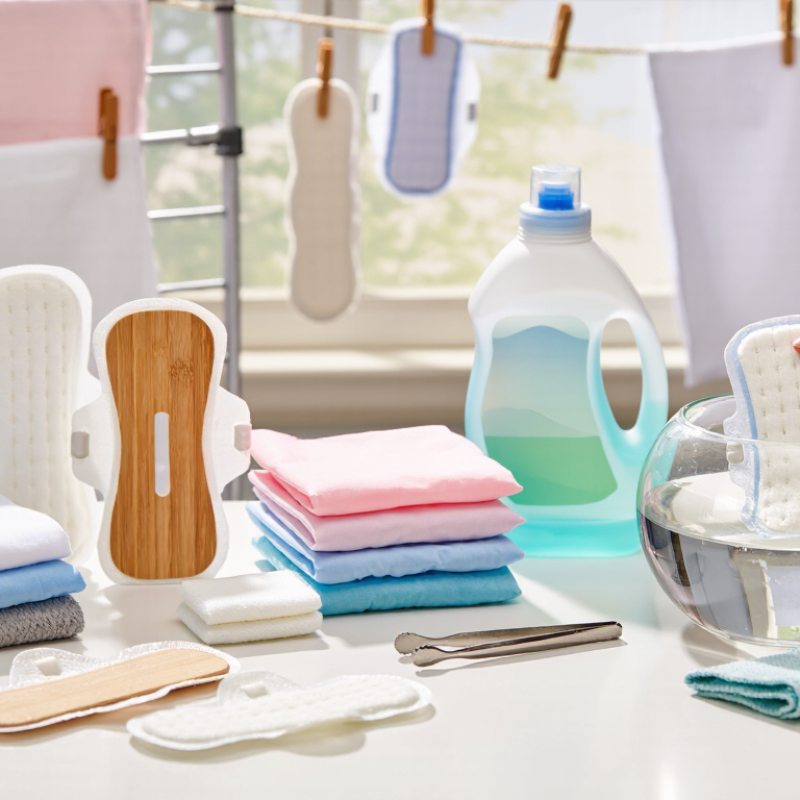
Choose a method that matches the pad’s fabric and your daily routine. Rinse the pad with cold water soon after use. Cold water helps prevent blood from setting into the fibers. Avoid hot water at this stage. I once used warm water in a hurry, and the stain became harder to remove. Soak heavily stained pads in cool water for several hours, but change the water if it becomes cloudy.
Hand washing offers careful control and suits delicate fabrics. Use a small amount of mild, unscented detergent. Rub the absorbent area gently, then rinse until the water runs clear. A washing machine can work well for durable pads. Place them in a mesh bag and select a gentle cycle. Do not use fabric softener, bleach, or strong fragrance products. These can irritate sensitive skin or reduce absorbency.
Press out excess water instead of twisting the pad sharply. Air-dry it fully in a bright, well-ventilated place. Sunlight may help reduce odors, but prolonged heat can weaken some materials. Check the care label every time, especially after buying a different style. Clean your hands before and after washing. Inspect the stitching and backing regularly. If the pad stays damp, smells unusual, or shows damage, reconsider using it. My routine is not perfect; drying space and time can change the best method.
Preparing used reusable sanitary pads correctly makes washing easier and supports better hygiene. I usually handle them soon after changing. Dried blood becomes harder to remove.
Remove any solid residue over the toilet, then rinse the pad under cool running water. Avoid hot water at this stage. Heat can set protein-based stains into the fabric. Gently press water through the absorbent layers without twisting them sharply. Excessive force may damage the stitching.
Cold water is enough for the first rinse. Not always spotless. That is normal. Place the rinsed pad in a breathable, washable container until laundry day. A sealed, damp container can trap heat and encourage unpleasant odors. Try washing within one or two days, especially in warm weather. Keep used pads separate from kitchen cloths and heavily soiled household items. Wash your hands after handling them.
Before washing, check the pad for loose threads, stains, or damaged fasteners. I once missed a small tear near a snap, and it worsened during the next wash. That mistake changed my routine. Follow the care instructions for the specific fabric, since cotton, bamboo, and synthetic layers may need different treatment. Avoid fabric softener because it can reduce absorbency. If odor remains after washing, do not hide it with fragrance. Rewash the pad, dry it completely in a well-ventilated place, and inspect it before reuse.
Removing Stains and Odors Effectively
Rinse the pad with cold water soon after use. Cold water helps prevent blood from setting into the fabric. I usually rinse until the water looks mostly clear. Do not scrub harshly, because rough friction can weaken absorbent layers. For stubborn marks, apply a small amount of mild, unscented detergent and gently work it into the stain. Let it sit for ten minutes. Longer soaking is not always better.
Wash reusable sanitary pads according to their care instructions. A warm cycle may help remove oils and odors, but only if the fabric allows it. Avoid fabric softener, which can reduce absorbency. Do not use chlorine bleach unless the manufacturer specifically permits it. It may damage fibers and irritate sensitive skin. An oxygen-based cleaner can sometimes help, but test a hidden area first. I learned this after a strong cleaner faded one pad unevenly.
Odor often comes from moisture trapped before washing. Store used pads in a breathable, washable container, not a tightly sealed wet bag for several days. Wash them regularly, then dry them completely in direct sunlight or a well-ventilated room. Sunlight can freshen fabric, but too much exposure may cause fading. Check each pad before storing it. If a sour smell remains, repeat the wash rather than adding more detergent. More soap can leave residue. My routine is not perfect, and occasional stains remain, but clean, fully dry fabric matters more than spotless appearance.
Reusable pads need more than a careful wash. Drying and storage decide whether clean fabric stays fresh. Rinse the pad with cold water soon after removal. Wash it with mild detergent, then rinse until the water runs clear. Skip fabric softener, which may reduce absorbency. Press out excess water gently. Do not twist the pad sharply.
Dry it fully before storage. Direct sunlight can help, but it is not a complete sterilising method. A clean indoor rack near moving air works when weather or privacy becomes difficult. Check the thicker seams and absorbent layers carefully. They often feel dry outside while remaining damp inside. WHO and UNICEF’s Joint Monitoring Programme 2024 reported that only 39% of schools globally provide menstrual health education, showing why practical care guidance still matters. I would not pretend every household has ideal washing space.
Store each completely dry pad in a clean, breathable pouch. Keep the pouch away from humid bathrooms and closed plastic containers. Separate used pads in a washable, leak-resistant bag until laundry time. Wash that bag regularly, too. UNICEF’s Guidance on Menstrual Health and Hygiene recommends clean facilities, privacy, and safe handling practices. Replace pads when fabric becomes permanently stained, damaged, or slow to dry. One detail deserves reflection: a neat-looking pad is not always hygienically dry. A simple touch-and-smell check helps, but it should never replace thorough washing and complete air-drying.
Avoiding Common Care and Washing Mistakes
Reusable sanitary pads need careful washing, not aggressive scrubbing. Rinse them in cold water soon after use, until the water looks mostly clear. Hot water can set blood stains into the fabric.
Do not leave used pads soaking for several days. A short soak is enough, but prolonged soaking may encourage odors and bacterial growth. Store damp pads in a breathable, washable bag until laundry day.
Use a small amount of mild, fragrance-free detergent. Strong fragrances may irritate sensitive skin. Avoid fabric softener, bleach, and oily stain removers because they can reduce absorbency.
Wash pads separately or with similar washable items, following the care label. A normal gentle cycle is often suitable.
I once used too much detergent, and the pad felt clean but absorbed poorly afterward.
Do not twist the pad harshly. Press out water gently to protect the layers and snaps.
Dry every layer completely before storing it. Outdoor air and indirect sunlight can help, but intense heat may damage elastic parts.
Check for lingering odor, stiff areas, loose stitching, or damaged fasteners. These signs deserve attention.
Wash your hands after handling used pads and before touching clean ones. If irritation continues despite careful washing, stop using the pad and seek qualified medical advice.